南大通用GBase 8c常见的SQL调优手段

Plan Hint调优
Plan Hint为用户提供了直接影响执行计划生成的手段,用户可以通过指定join顺序、join、scan方法、指定结果行数等多个手段来进行执行计划的调优,以提升查询的性能。
使用方法:
/*+ <plan hint>*/如果同时指定多个hint,之间需要使用空格分割,如:
select /*+ <plan_hint1> <plan_hint2> */ * from t1Plan Hint支持的范围:
- 指定Join顺序的Hint - leading hint:
- 指定Join方式的Hint:
- 指定结果集行数的Hint:
- 指定Scan方式的Hint,仅支持常用的tablescan,indexscan和indexonlyscan的hint:
- 指定子链接块名的Hint:
Plan Hint调优示例
stu和stu_info两个表关联查询,默认使用Hash Join方式进行表关联。
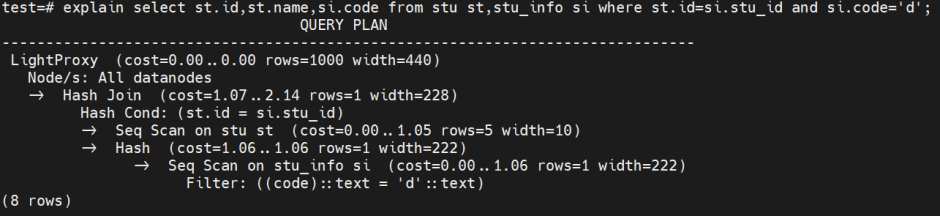
使用Hint强制改变执行计划,让两个表通过nestloop进行关联查询

使用select * 查询stu_info表,指定code和stu_id的查询条件,默认使用Seq Scan方式获取数据。

使用Hint方式指定查询时使用stu_info表的idx_stu_info_code这个索引,改变执行计划

算子级优化示例
基表扫描时,对于点查或者范围扫描等过滤大量数据的查询,如果使用SeqScan全表扫描会比较耗时,可以在条件列上建立索引选择IndexScan进行索引扫描提升扫描效率。
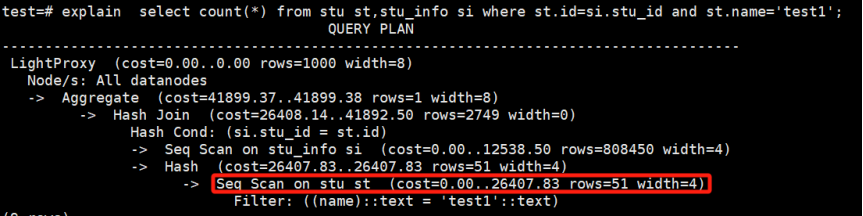
执行耗时:248ms
对stu表的name表创建索引
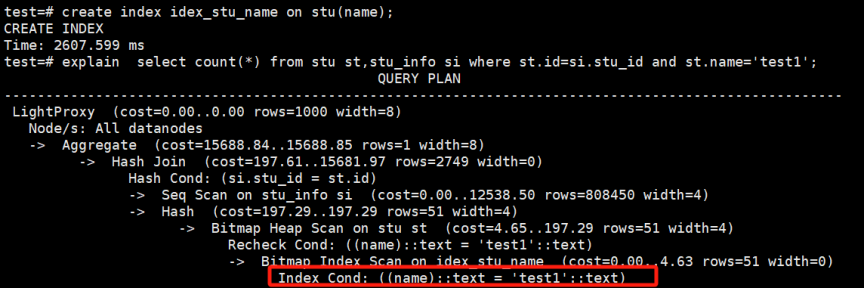
执行耗时:25ms
SQL改写
避免使用SELECT *
实际业务可能只需要表的几列数据,使用SELECT * 会导致内存,CPU,网络IO等资源浪费。SELECT * 不会走覆盖索引扫描,部分SQL语句效率下降明显。
使用exists代替in
select st.id,st.name from stu st where st.age=5 and st.id not in (
select stu_id from stu_info where code in ('a','b','c','d')
);
正解:
select st.id,st.name from stu st where st.age=5 and not exists (
select 1 from stu_info si where si.stu_id=st.id and si.code in ('a','b','c','d')
);
使用连接查询代替子查询
select * from stu
where id in (select stu_id from stu_info where code='a')
正解:
select st.* from stu st
inner join stu_id si on si.user_id = st.id and si.code='a'
批量操作
当有多条加工数据需要写入表中时,采取批量写入可以减少I/O消耗
insert into stu values (1,'bill',15);
insert into stu values (2,'frank',16);
正解:
insert into stu values (1,'bill',15),(2,'frank',16);创建适当索引
CREATE INDEX idx_stu_name ON stu(name);需要注意点:
索引并非越多越好,太多索引会引起update和insert效率下降;
分析查询语句,使用联合索引;
注意索引区分度和索引冗余;
避免在大量null字段上创建索引;
以及其他常见优化方法,如使用limit限制数据返回行;分页优化,通过主键或者其他索引列先找出符合条件行主键,再通过主键过滤查询;避免在where字句中使用函数等表达式;对大表数据使用分区表,按照分区进行查询操作。
评论

热门帖子
- 12025-12-01浏览数:182759
- 22023-05-09浏览数:25054
- 42023-09-25浏览数:18521
- 52020-05-11浏览数:17526